
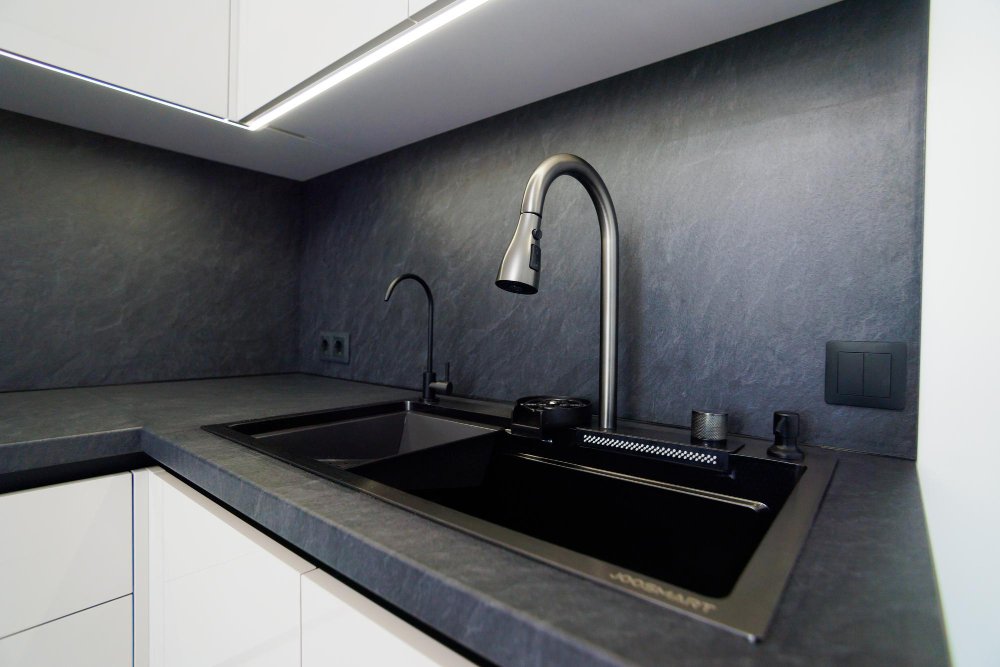
“The best kitchen plumbing is almost invisible. It works quietly, protects the home, and supports the homeowner’s routine without drawing attention to itself.”
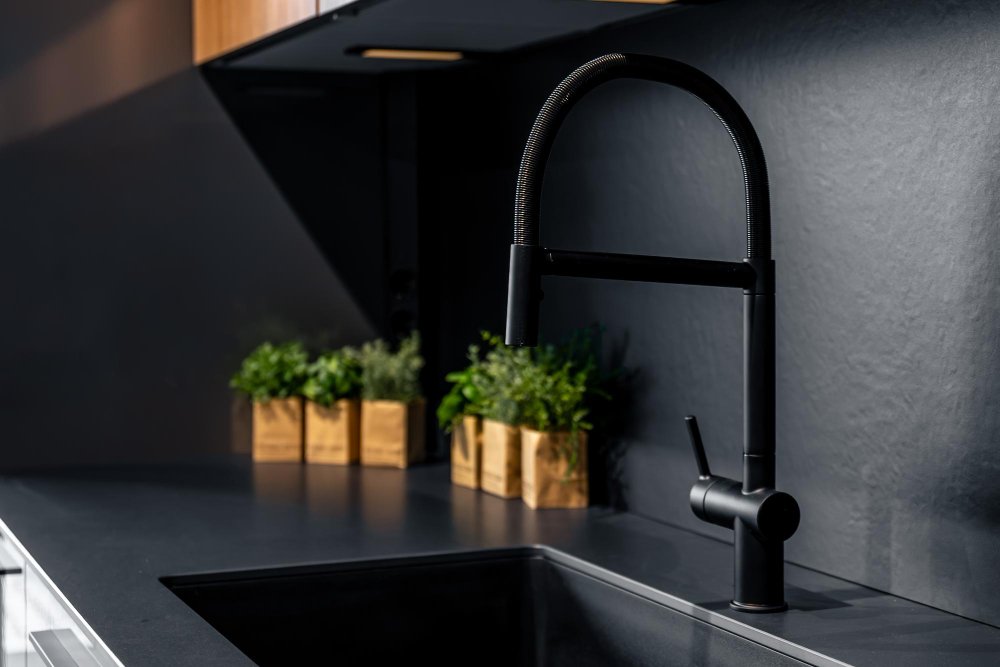
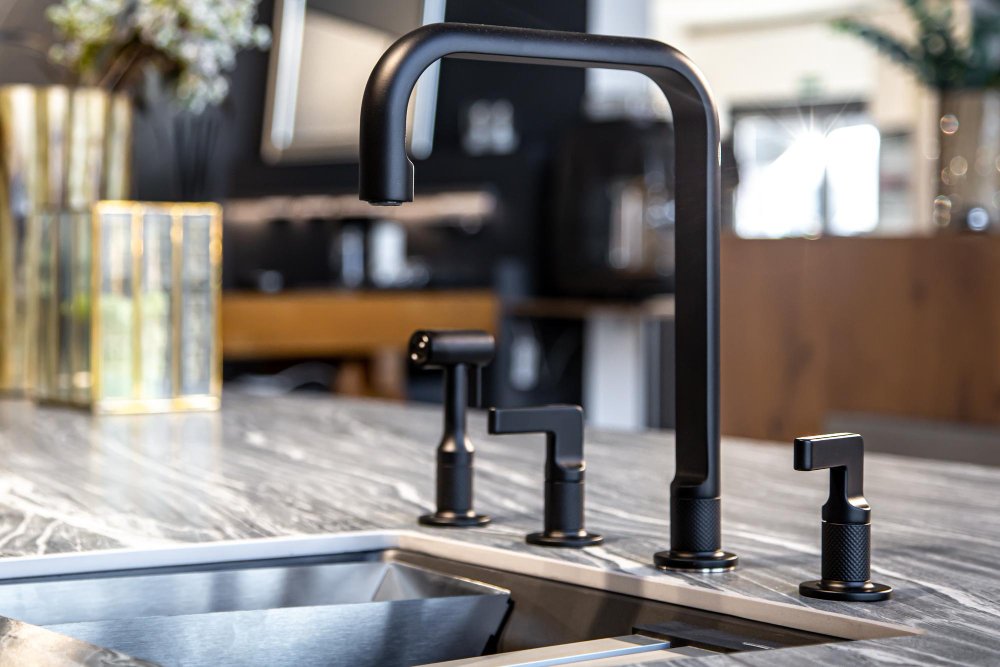
Planning a Reliable Kitchen Plumbing System
Q: Why should kitchen plumbing be planned early in a remodeling project?
A: Plumbing affects the placement of sinks, dishwashers, refrigerators, filtration systems, pot fillers, and other water-dependent features. When those elements are selected late, homeowners may discover that walls, cabinets, flooring, or electrical systems need to be altered to accommodate the necessary connections. Early planning allows the plumber, designer, contractor, and cabinet installer to coordinate their work. It also helps determine whether existing pipes can remain in place or whether the project requires rerouting, resizing, or complete replacement. That coordination becomes especially important when homeowners move a sink to an island, relocate appliances, add a second preparation sink, or expand the kitchen into an adjoining room.Q: What should homeowners evaluate before changing the kitchen layout?
A: The first consideration is the location of the existing supply, drain, and vent lines. Moving a sink a short distance along the same wall may be relatively straightforward. Moving it across the room or into an island can be more complicated because the drainage system must maintain the correct slope and proper venting. The condition of the existing plumbing should also be evaluated. Older homes may contain corroded metal pipes, undersized supply lines, deteriorated shutoff valves, or outdated materials that should be replaced before the walls and cabinets are closed. Homeowners should also think about water pressure, appliance requirements, accessibility for future repairs, and local building requirements. A beautiful layout is only successful when the plumbing behind it remains safe, serviceable, and dependable.Q: Is it always necessary to replace old plumbing during a kitchen renovation?
A: Not always, but a major renovation creates an ideal opportunity to inspect concealed plumbing. If the pipes are in good condition, properly sized, and compatible with the new layout, they may be reused. However, if there are signs of corrosion, leakage, restricted flow, or previous repairs, replacement is often the wiser long-term decision. Opening walls and removing cabinets can be expensive and disruptive. Replacing questionable plumbing while the area is already accessible may prevent the need to damage newly finished surfaces later.“A renovation should not hide old problems behind new finishes. It should resolve them while access is available.”
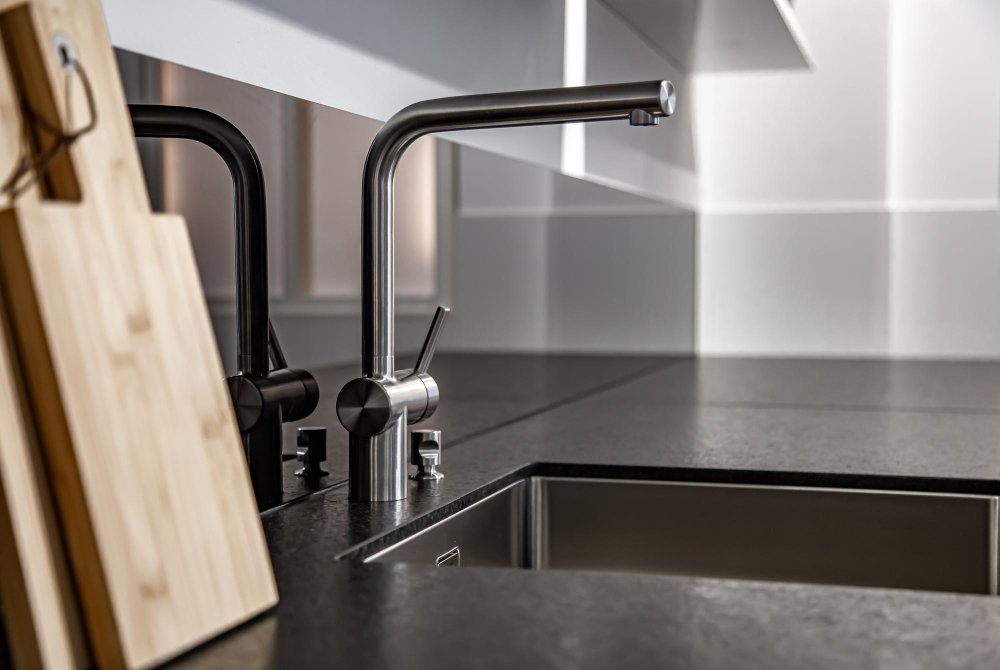
Understanding Kitchen Pipe Installation
Q: What does professional kitchen pipe installation involve?
A: Professional kitchen pipe installation involves more than connecting pipes from one point to another. The system must be sized correctly, supported properly, protected from damage, and installed to maintain reliable flow and drainage. On the supply side, the plumber installs hot and cold water lines, shutoff valves, appliance connections, and any dedicated lines required for filtration or specialty fixtures. On the drainage side, the work includes sink drains, traps, waste lines, cleanouts, and proper venting. The installer must also account for cabinet dimensions, wall framing, insulation, electrical wiring, and appliance clearances. Every connection should remain accessible whenever possible, particularly shutoff valves and service points.Q: Which pipe materials are commonly used in modern kitchens?
A: Material selection depends on local requirements, project conditions, budget, and installer preference. Copper remains valued for its durability and long history of residential use. PEX is also widely used because it is flexible, resistant to corrosion, and efficient to route through framing. Drain and waste systems are commonly constructed from approved plastic piping materials, although existing homes may contain cast iron or other materials. The important issue is not simply choosing a popular product. The material must be appropriate for the application and installed with compatible fittings and approved methods.Q: What installation mistakes create the most problems?
A: Poorly supported pipes, incorrect drain slope, inaccessible valves, loose fittings, and improperly placed connections are common sources of trouble. Another major mistake is forcing plumbing into a cabinet layout without allowing enough room for traps, disposals, filtration equipment, or future service. Homeowners sometimes focus only on whether water flows when the project is finished. However, a system can appear functional while still containing weaknesses that lead to noise, slow drainage, leaks, or difficult repairs. Professional testing before walls and cabinets are closed is essential. Supply lines should be checked for leaks and pressure issues, while drainage systems should be observed for proper flow and secure connections.Kitchen Water Line Installation and Appliance Connections
Q: Which kitchen features typically require dedicated water lines?
A: The main sink requires hot and cold supply lines, while dishwashers generally connect to a hot-water source. Refrigerators with ice makers or water dispensers require a cold-water connection. Additional lines may be needed for secondary sinks, beverage centers, pot fillers, instant hot-water dispensers, or filtration systems. Each feature should have an appropriately located and accessible shutoff valve. This allows an appliance or fixture to be serviced without shutting off water to the entire home.Q: What should homeowners know about kitchen water line installation for refrigerators?
A: Refrigerator connections are often treated as minor details, but poor installation can cause significant water damage. A professional kitchen water line installation should use approved tubing, reliable fittings, and an accessible shutoff valve. The line must be routed where it will not be crushed, kinked, punctured, or pulled loose when the refrigerator is moved. Enough flexibility should remain for appliance servicing, but excess tubing should not be left in a position where it can become tangled or damaged. Homeowners should inspect the connection periodically, especially after moving the refrigerator or noticing changes in ice production, water flow, or flooring near the appliance.Q: Are pot fillers and secondary sinks difficult to install?
A: They require additional planning rather than simply additional plumbing. A pot filler needs precise placement so it reaches the cooking surface without interfering with cabinets, shelving, or ventilation equipment. Because it is usually installed above a range, installation quality and shutoff access deserve special attention. A secondary sink requires both water supply and drainage. The drain often creates the greater challenge because it must maintain proper slope and venting. When the sink is located in an island or distant beverage station, the surrounding structure must be evaluated carefully before installation begins.Q: How can homeowners reduce the risk of hidden leaks?
A: Begin with quality materials and professional installation. Avoid burying unnecessary connections inside inaccessible walls, and make sure shutoff valves remain visible and operable. Connections beneath sinks and behind appliances should be inspected periodically for moisture, corrosion, or staining. Leak-detection devices can also provide additional protection. Some systems sound an alarm when moisture is detected, while more advanced options can automatically shut off the water supply when unusual flow is identified.“Water damage rarely begins as a dramatic event. It often starts with a small, unnoticed leak in a location no one regularly checks.”
Maintenance, Renovation Decisions, and Professional Guidance
Q: What maintenance does kitchen plumbing require?
A: Homeowners should inspect visible pipes and connections several times a year. Look beneath the sink, around the dishwasher, near refrigerator connections, and around filtration equipment. Watch for moisture, mineral deposits, warped cabinet surfaces, unusual odors, or slow drainage. Avoid treating the sink drain as a disposal system for grease, fibrous food waste, or inappropriate materials. Even when a garbage disposal is present, responsible use helps reduce buildup and blockages. Shutoff valves should also be tested periodically so they do not become difficult to operate. Any valve that leaks, sticks, or appears heavily corroded should be evaluated before an emergency makes it necessary.Q: When should a homeowner call a professional instead of attempting a repair?
A: A professional should be contacted when work involves concealed pipes, repeated leaks, corroded fittings, drain relocation, low water pressure, persistent odors, appliance supply lines, or changes to the kitchen layout. Simple tasks such as cleaning an aerator may be manageable for many homeowners. However, repairs involving pressurized water lines or drainage systems can cause extensive damage when performed incorrectly. The cost of professional help is often modest compared with the expense of repairing cabinets, flooring, drywall, or structural materials after a leak.Q: What is the most important advice for homeowners planning a kitchen renovation?
A: Do not treat plumbing as an afterthought. Select the layout, fixtures, and appliances early, then involve a qualified plumbing professional before construction advances too far. A well-designed plumbing system should support the kitchen’s appearance, function, and future maintenance. The most successful projects balance visual goals with practical access, appropriate materials, precise installation, and realistic expectations.Key Takeaways
Reliable kitchen plumbing is one of the foundations of a comfortable and efficient home. Although pipes and connections disappear behind walls, cabinets, and appliances, their performance shapes everything from meal preparation and cleaning to water quality and household safety. Careful kitchen pipe installation ensures that water reaches each fixture dependably and drains away as intended. Professional kitchen water line installation provides secure connections for sinks, refrigerators, dishwashers, filtration systems, and specialty features while reducing the risk of costly leaks. The expert perspective is clear: plan early, avoid shortcuts, preserve access to essential connections, and invest in qualified installation. When these principles guide the project, the plumbing becomes what every homeowner wants it to be—quiet, reliable, efficient, and almost entirely unnoticed.Read More in Bathroom Revival Hub Blog
- Kitchen Cabinets: A Practical Guide to Kitchen Cabinetry and Kitchen Storage Cabinets
 The right Kitchen Cabinets do more than enhance your kitchen’s appearance—they simplify daily routines and maximize storage. Learn how Kitchen Cabinetry and Kitchen Storage Cabinets can help you create a beautiful, organized, and highly functional space.
 - Case Study: How a One-Day Bath Remodel Delivered Fast, Lasting Results
 See how a representative one-day bath remodel modernized an aging bathroom through careful planning, efficient installation, and quality craftsmanship. This case study highlights the challenges, solutions, results, and key lessons behind a successful single-day bathroom remodel.
 - From Worn-Out to Wow: How Hardwood Flooring Saved Our Space
 True luxury lies in the everyday details—and DreamLine Custom Cabinetry delivers just that. From kitchens to bathrooms and beyond, their tailor-made cabinetry blends elegance, efficiency, and deeply personal design. In this style-forward, descriptive piece inspired by Emily Henderson’s warm and elevated voice, discover how DreamLine transforms more than just your storage—they shape how your space feels and functions. Explore their stunning materials, custom solutions, and the craftsmanship that quietly elevates every room. If you’re ready to move beyond off-the-shelf and into a home that feels truly yours, this is the glow-up your cabinets—and your lifestyle—deserve.