| Feature | Integrated Burner System | Traditional Built-In Cooktop |
|---|---|---|
| Appearance | Minimalist | Conventional |
| Burner Layout | Individually installed | Single appliance |
| Counter Space | More flexible | Fixed configuration |
| Installation Complexity | Higher | Moderate |
| Design Impact | Premium architectural look | Familiar appearance |
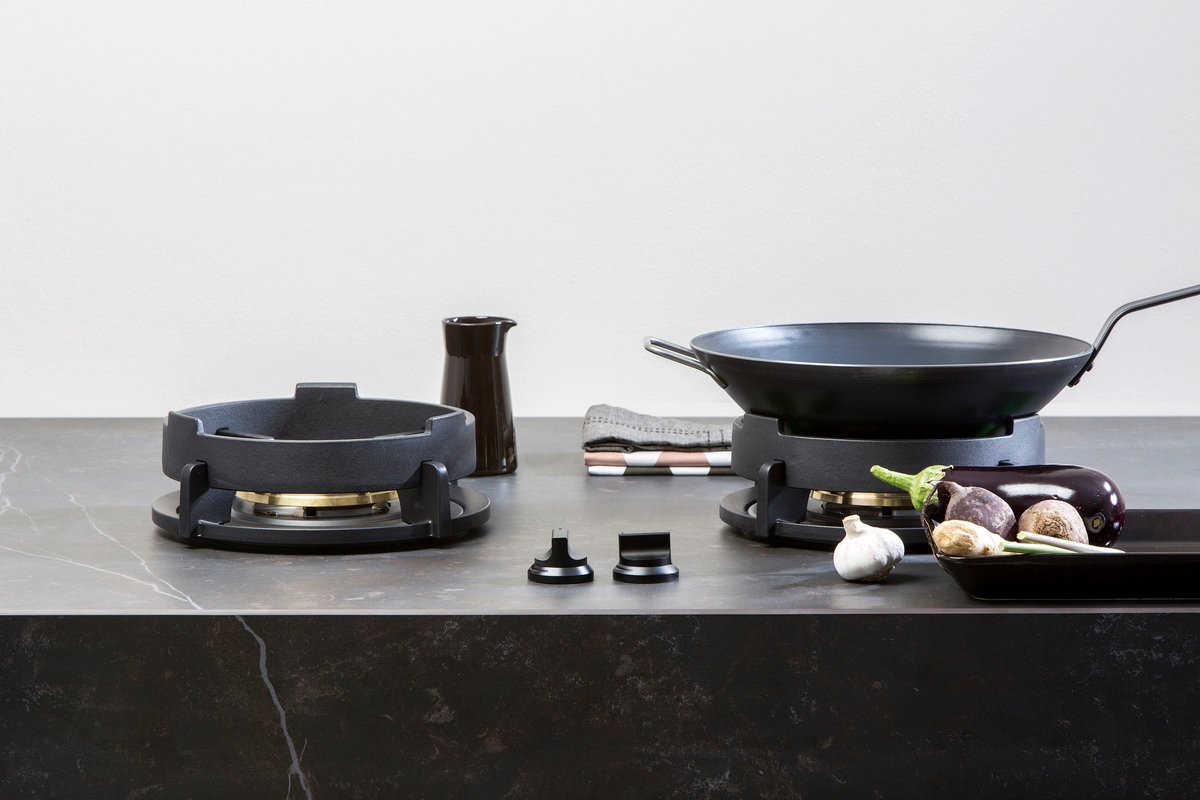
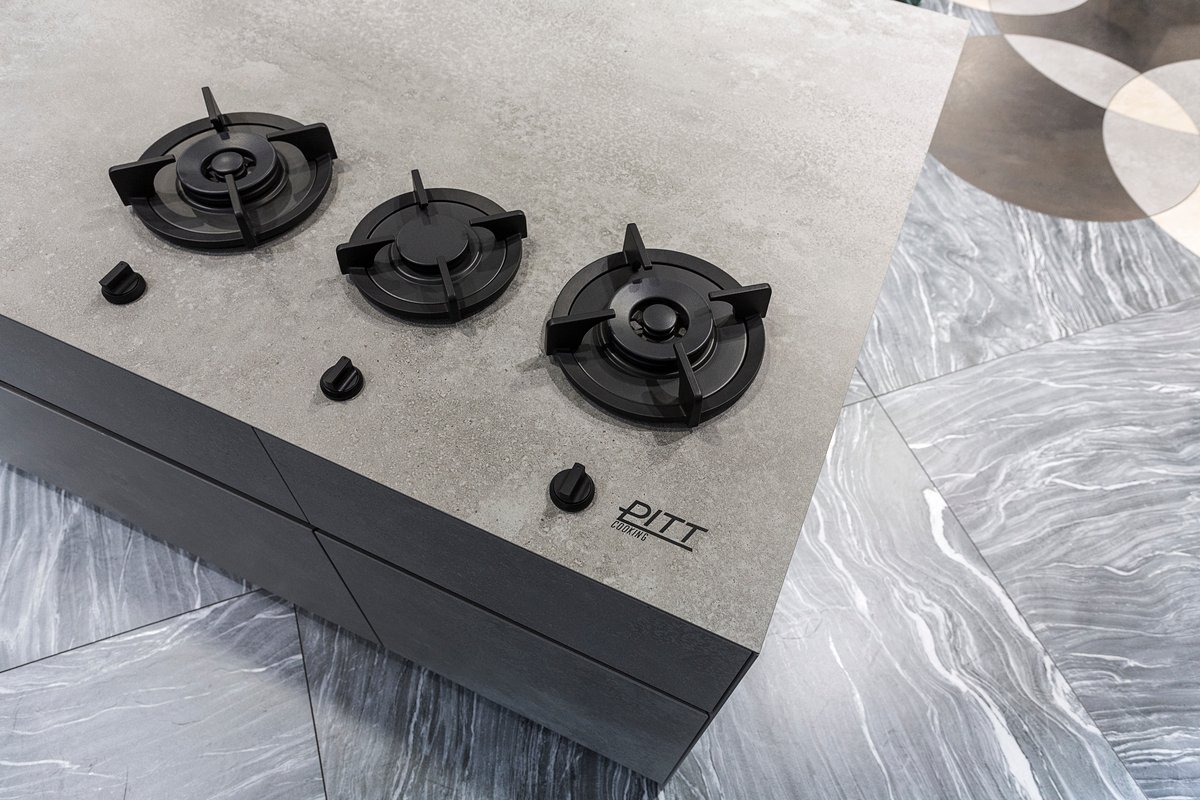
Option A: Integrated Burner Systems
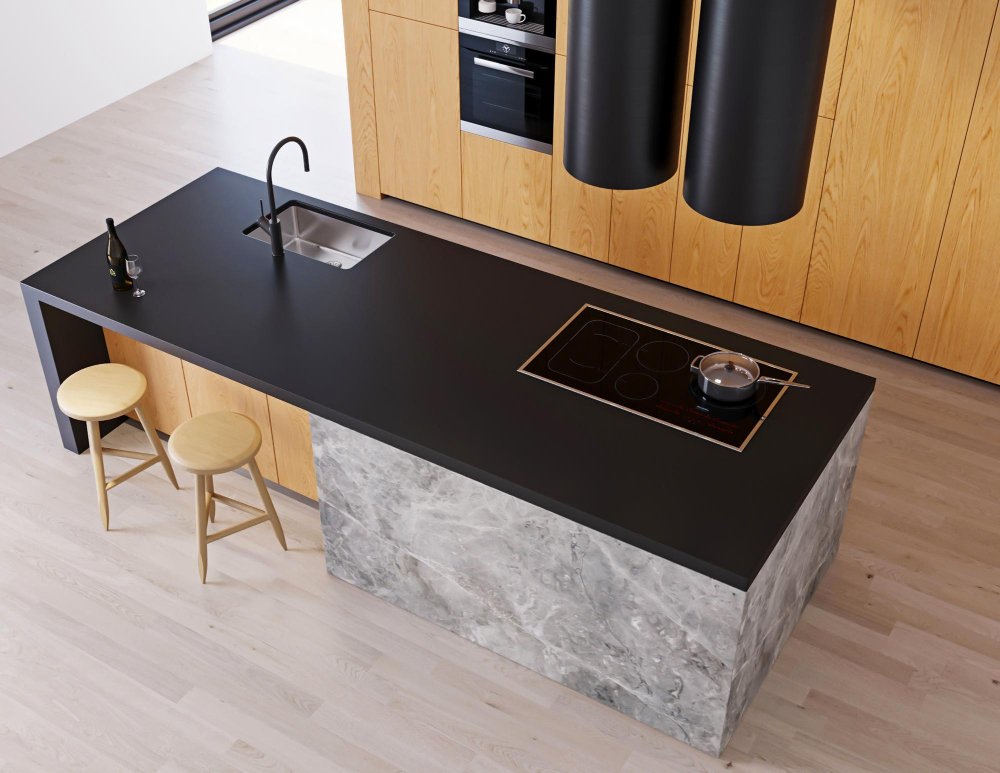
Homeowners looking for a clean, contemporary kitchen often consider Integrated Gas Burner Countertops. Because the burners are installed directly into the countertop, the design eliminates the large metal cooking surface typically associated with traditional cooktops. This creates uninterrupted countertop lines that complement modern cabinetry, waterfall islands, and open-concept kitchens.Pros
- Elegant, high-end appearance
- Greater design flexibility
- Easy access around individual burners
- Compatible with several premium countertop materials
- Creates a seamless custom kitchen aesthetic
Cons
- More specialized installation
- Higher initial investment
- Countertop fabrication requires precision
- Professional planning is recommended before installation
Winner Highlight: Best choice for luxury design and a highly customized kitchen layout.
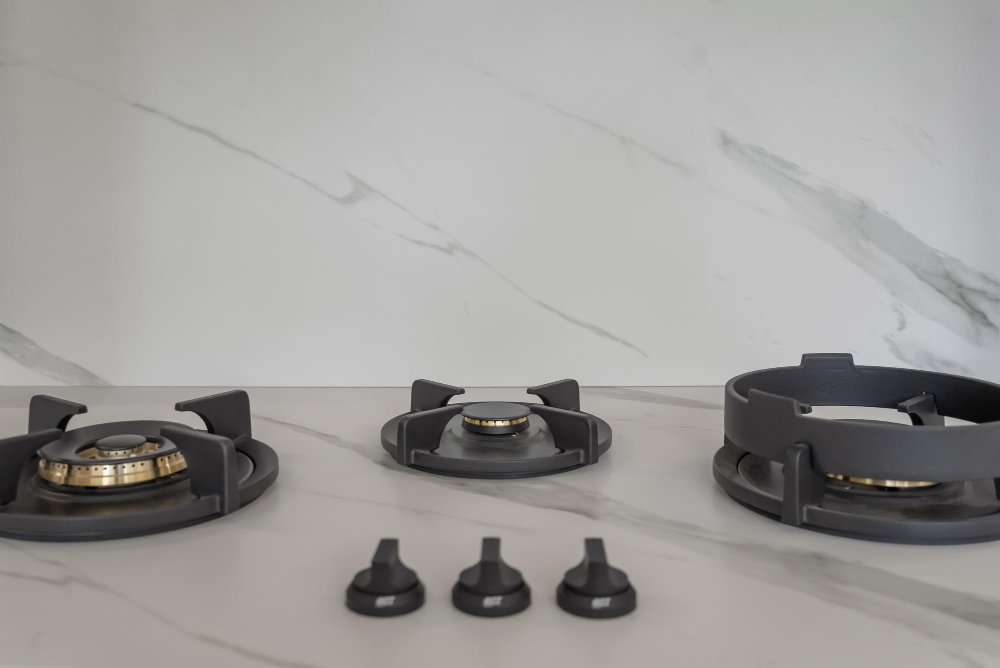
Option B: Traditional Built-In Cooktops
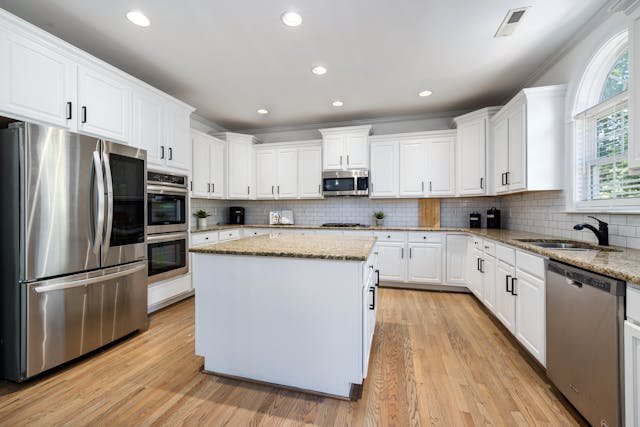
Traditional built-in cooktops remain one of the most common choices for residential kitchens. Their standardized dimensions simplify replacement projects and make appliance selection easier. Many homeowners also appreciate the wide availability of models featuring gas, electric, or induction cooking.Pros
- Easier installation
- Broad range of price points
- Widely available replacement parts
- Familiar operation
- Extensive manufacturer options
Cons
- Larger visible appliance footprint
- Less countertop continuity
- Fixed burner arrangement
- May not achieve the same custom appearance
Winner Highlight: Best choice for straightforward installation, broad availability, and flexible budgeting.
Side-by-Side Comparison
Choosing between the two options depends on priorities rather than identifying a universally better solution. Integrated burners lead in visual continuity and customization, while traditional cooktops perform better in accessibility, replacement convenience, and price flexibility.| Category | Integrated Burners | Traditional Cooktop | Winner |
|---|---|---|---|
| Contemporary Design | Excellent | Good | Integrated Burners |
| Installation Simplicity | Moderate | Excellent | Traditional Cooktop |
| Custom Appearance | Excellent | Good | Integrated Burners |
| Replacement Convenience | Moderate | Excellent | Traditional Cooktop |
| Countertop Integration | Excellent | Fair | Integrated Burners |
| Product Availability | Moderate | Excellent | Traditional Cooktop |
| Premium Kitchen Projects | Excellent | Good | Integrated Burners |
| Budget Flexibility | Fair | Excellent | Traditional Cooktop |
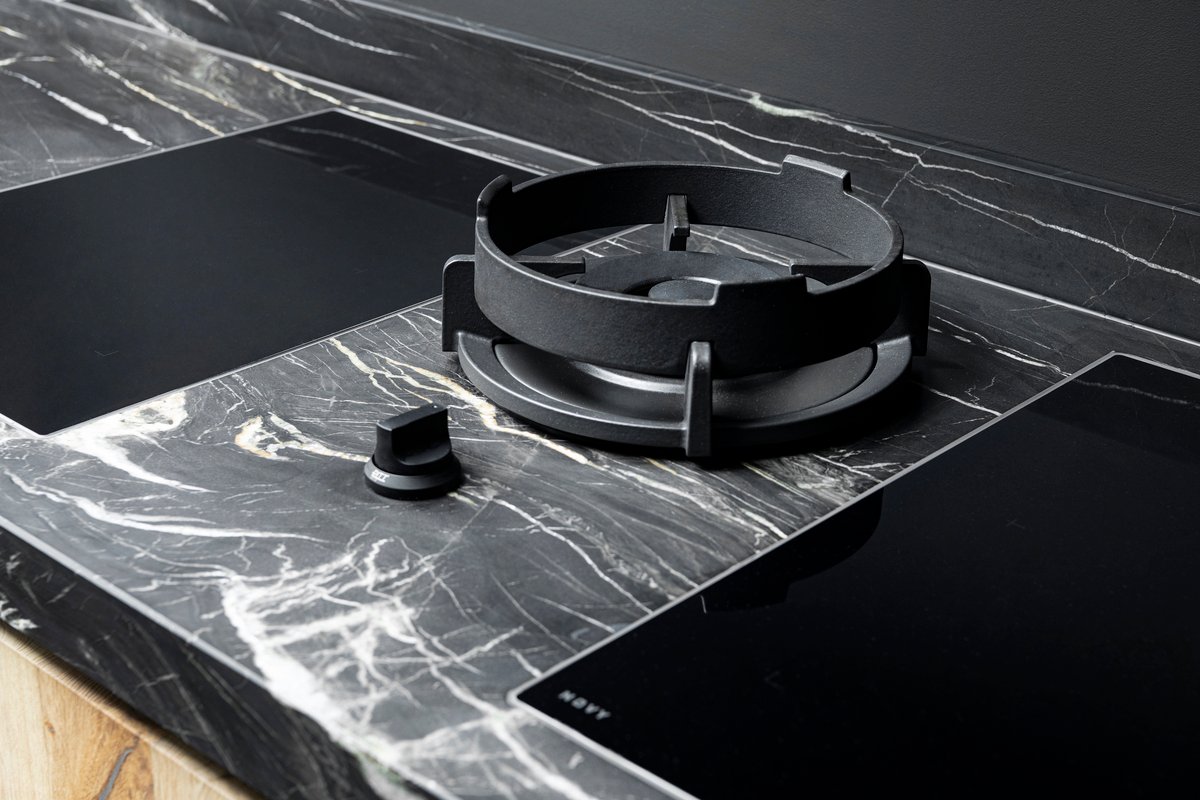
Performance Considerations
Cooking performance depends more on burner quality, heat output, cookware, controls, and ventilation than on the visual design alone. Both systems can deliver excellent everyday results when properly selected and installed. Integrated burner systems may provide more freedom in burner spacing. This can be helpful for cooks who regularly use oversized pots, wide skillets, or multiple pans at the same time. Traditional cooktops usually have a fixed layout, although many models offer specialized burners for simmering, rapid boiling, and high-heat cooking.| Performance Factor | Integrated Burners | Traditional Cooktop |
|---|---|---|
| Burner Spacing | Potentially customizable | Fixed by manufacturer |
| Heat Output | Depends on selected burner system | Varies widely by model |
| Control Familiarity | May require adjustment | Highly familiar |
| Cookware Flexibility | Strong with thoughtful spacing | Depends on appliance dimensions |
| Ventilation Needs | Requires careful planning | Requires careful planning |
Winner Highlight: Integrated burners win for flexible spacing, while traditional cooktops win for familiar controls and predictable configurations.
Countertop Compatibility and Fabrication
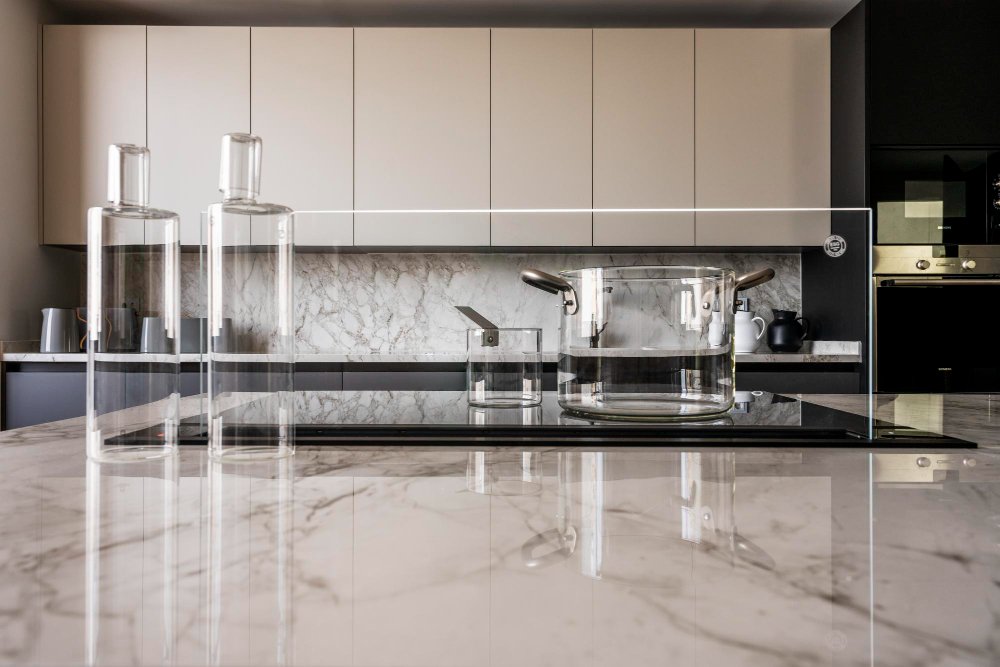
Countertop compatibility is one of the most important differences between the two options. A traditional cooktop typically requires one large rectangular opening based on standardized appliance dimensions. Integrated burners require multiple precise openings, appropriate spacing, heat-resistant detailing, and strict adherence to manufacturer specifications. Not every countertop material is suitable for direct burner integration. The selected surface must tolerate heat, support the appliance components, and allow accurate fabrication without creating weak points. Natural stone, engineered stone, ceramic, and other premium surfaces may be compatible depending on the product and installation system.Integrated Burner Countertop Pros
- Preserves uninterrupted visual lines
- Allows more creative burner placement
- Supports premium architectural design
Integrated Burner Countertop Cons
- Requires highly accurate fabrication
- Limits future layout changes
- May increase countertop replacement costs
Traditional Cooktop Countertop Pros
- Uses a familiar installation method
- May simplify appliance replacement
- Works with a broad range of countertop layouts
Traditional Cooktop Countertop Cons
- Creates a larger visible appliance footprint
- Interrupts the countertop surface
- Offers less freedom in burner placement
Maintenance and Cleaning
Integrated burner systems eliminate the large surrounding cooktop frame, making expansive countertop areas easier to wipe. Spills can often be cleaned directly from the same surface used throughout the kitchen. However, each burner opening and component must be cleaned according to manufacturer instructions. Traditional cooktops centralize all burners into one appliance surface. This makes the cleaning routine familiar to most homeowners, but grease and food residue can collect around grates, seams, controls, and the perimeter of the appliance.| Maintenance Category | Integrated Burners | Traditional Cooktop |
|---|---|---|
| Daily Wiping | Easy across open countertop areas | Easy on smooth models; more involved with grates |
| Edge Cleaning | Multiple burner openings | One appliance perimeter |
| Component Access | Depends on installation design | Generally straightforward |
| Replacement Parts | More specialized | More widely available |
Winner Highlight: Integrated burners offer cleaner countertop lines, while traditional cooktops generally provide easier access to common replacement parts.
Design Flexibility
Modern kitchen remodeling increasingly emphasizes uninterrupted sightlines and simplified visual layouts. Integrated burner systems complement large islands, waterfall countertops, contemporary cabinetry, and open-concept living spaces exceptionally well. Traditional cooktops can also support attractive designs, especially when their finish matches surrounding appliances and hardware. Black glass, stainless steel, and minimalist induction models can look refined without requiring specialized countertop fabrication. For homeowners planning Built-in Cooktop Countertops, coordinating cabinetry, ventilation, countertop fabrication, lighting, gas or electrical connections, and appliance placement from the beginning typically produces the most cohesive result.Winner Highlights
Best for Luxury Design: Integrated Burner Systems
Best for Easy Installation: Traditional Built-In Cooktops
Best for Contemporary Architecture: Integrated Burner Systems
Best for Budget-Conscious Remodeling: Traditional Built-In Cooktops
Best for Flexible Burner Placement: Integrated Burner Systems
Best for Replacement Convenience: Traditional Built-In Cooktops
Key Takeaways
Both integrated burner systems and traditional built-in cooktops are strong solutions when matched to the homeowner’s goals, budget, cooking habits, and kitchen layout. Traditional cooktops remain practical, familiar, widely available, and cost-effective for many remodeling projects. They are especially suitable for homeowners who value straightforward installation and easier future replacement. Integrated burner systems offer a more distinctive architectural appearance. They are best suited to homeowners pursuing a premium, custom-designed kitchen and willing to invest in specialized planning, fabrication, and installation. The final decision should come down to priorities. Choose a traditional cooktop when affordability, familiarity, and replacement convenience matter most. Choose a PITT cooking countertop when seamless design, custom burner spacing, and a high-end integrated appearance are the primary goals. Regardless of the option selected, successful results depend on coordinated planning. Countertop fabrication, cabinetry, ventilation, utility connections, appliance clearances, and maintenance access should all be reviewed before materials are ordered. With the right preparation, either system can provide dependable performance and lasting visual appeal.Read More in Bathroom Revival Hub Blog
- Kitchen Cabinets: A Practical Guide to Kitchen Cabinetry and Kitchen Storage Cabinets
 The right Kitchen Cabinets do more than enhance your kitchen’s appearance—they simplify daily routines and maximize storage. Learn how Kitchen Cabinetry and Kitchen Storage Cabinets can help you create a beautiful, organized, and highly functional space.
- Case Study: How a One-Day Bath Remodel Delivered Fast, Lasting Results
 See how a representative one-day bath remodel modernized an aging bathroom through careful planning, efficient installation, and quality craftsmanship. This case study highlights the challenges, solutions, results, and key lessons behind a successful single-day bathroom remodel.
- From Worn-Out to Wow: How Hardwood Flooring Saved Our Space
 True luxury lies in the everyday details—and DreamLine Custom Cabinetry delivers just that. From kitchens to bathrooms and beyond, their tailor-made cabinetry blends elegance, efficiency, and deeply personal design. In this style-forward, descriptive piece inspired by Emily Henderson’s warm and elevated voice, discover how DreamLine transforms more than just your storage—they shape how your space feels and functions. Explore their stunning materials, custom solutions, and the craftsmanship that quietly elevates every room. If you’re ready to move beyond off-the-shelf and into a home that feels truly yours, this is the glow-up your cabinets—and your lifestyle—deserve.